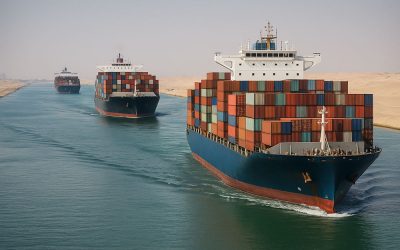
Port congestion at key northern European container terminals is expected to remain a persistent issue, as disruptions and significant delays continue to affect major hubs.
Ports such as Antwerp, Rotterdam, Hamburg, and Bremerhaven are grappling with increasing backlogs, with waiting times for vessels ranging from several days to up to two weeks. These delays are being worsened by a combination of recent industrial actions, low water levels on the Rhine River, and high terminal yard utilisation.
In the UK, ports including Felixstowe, London Gateway, and Southampton are also experiencing their own congestion challenges, with both waiting times and yard occupancy remaining high.
A key factor contributing to the global port congestion crisis is the shortage of berthing space for the growing number of Ultra Large Container Vessels (ULCVs). As container ships continue to increase in size, many ports are struggling to accommodate them, leading to ongoing bottlenecks that are expected to persist for the foreseeable future.
Congestion is particularly severe at global hubs such as Singapore and Cape Town, and similar problems are being reported at major ports in China and the United States. Ports like Shanghai, Shenzhen, Los Angeles, and New York are all seeing growing vessel queues.
With terminal capacities stretched and operational challenges continuing to escalate, port operations worldwide are likely to remain under significant pressure through the peak season, impacting global trade flows and supply chains.
The Unique Forwarding team is closely monitoring the situation.