As the logistics sector rapidly moves toward 2026, port congestion remains a persistent challenge for global supply chain operations despite some recent signs of relief.
While some ports have seen shorter vessel waiting times in recent weeks, this appears to be driven more by easing demand than by meaningful, long-term operational improvements. On the whole, disruption is still widespread across the globe.
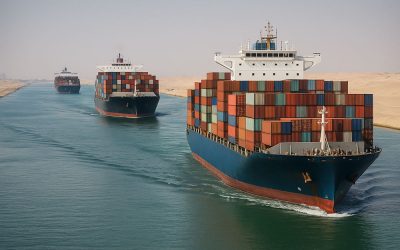
Throughout this year, many ports have faced constant vessel queues, and similar conditions could easily resurface in 2026 – particularly if ocean carriers resume using the Suez Canal.
Major gateways such as Shanghai, Ningbo, Singapore, Los Angeles/Long Beach, Antwerp, and Rotterdam have been among the most affected, experiencing severe bottlenecks. However, congestion is far from limited to these locations.
In the UK, key container terminals—including Felixstowe, London Gateway, and Southampton—have also continued to struggle with prolonged delays.
Operational reliability has been frequently weakened by poor weather and labour disputes across several regions. Recent strikes in Rotterdam, Portugal, and Mexico have hindered their port productivity, while a nationwide action in Belgium poses additional risks for the Port of Antwerp.
Looking ahead, one of the most significant unknowns is whether carriers will soon shift away from their current route around the Cape of Good Hope. A broad return to the faster Suez Canal passage would shorten transit times but also compress vessel arrivals. Ships currently spaced out by longer voyages could reach ports in more concentrated surges, adding strain to already pressured hubs in Europe and Asia.
Given these dynamics, port congestion is expected to remain a major obstacle into next year. Unique Forwarding will continue monitoring the situation closely. In the meantime, please do not hesitate to contact our team for assistance with planning or contingency strategies.