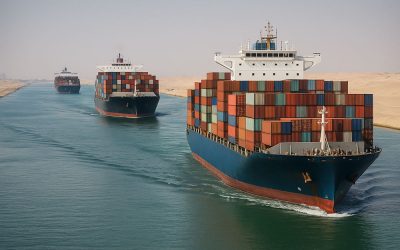
Although a ceasefire has taken hold in the Middle East, the likelihood of reopening key Asia–Europe shipping corridors through the Red Sea remains slim.
Since Houthi attacks on commercial vessels began in early 2024, major shipping lines have diverted their fleets around the Cape of Good Hope — a far longer but considerably safer passage. This route adds one to two weeks to transit times and drives up fuel and operating costs, yet it remains the only dependable option while security in the region remains uncertain.
Even if diplomatic efforts continue to make headway, industry observers expect carriers to steer clear of the Red Sea until the area is demonstrably stable. Returning to the Suez route would be a complex process, requiring vessels and containers to be repositioned, schedules rebuilt, and global service networks rebalanced – changes that could take weeks or months to implement once conditions improve.
For now, shipping companies have little financial motivation to hasten that transition. With freight demand subdued and rates under pressure, restoring the shorter route could unleash up to 20–30% of idle capacity, worsening oversupply and further depressing prices. Many carriers on the Asia–Europe trade are reportedly operating close to, or even below, breakeven levels, leaving limited room to absorb additional rate declines.
Unless a lasting peace emerges and maritime security is firmly re-established, the longer route around Africa is expected to remain carrier’s preferred path. Unique Forwarding will continue tracking developments closely.