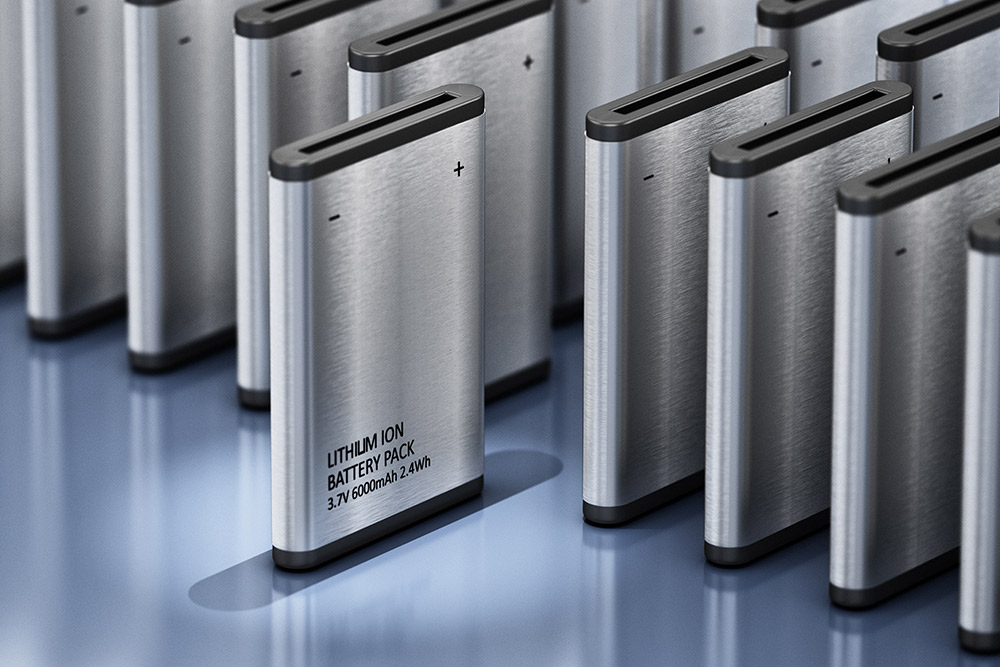
The shipping industry is tightening protocols for transporting battery-powered cargo by sea in response to recent fire incidents on vessels. These new measures, which directly affect shipments containing lithium or lithium-ion batteries, aim to improve safety for both cargo and crews.
Ocean freight carriers are adjusting to these heightened risks by enforcing stricter documentation and scrutiny for shipments with built-in batteries, such as mobile phones, tablets and power tools, as well as standalone batteries.
Shippers must now provide essential documentation, including a Material Safety Data Sheet (MSDS), a UN38.3 Test Report certifying that the battery has passed safety tests under UN guidelines, and a Certificate of Safe Transport by Sea, confirming that the battery meets international safety standards.
This has led to longer booking confirmation times, with carriers noting delays of 3-5 working days, potentially extending overall shipping schedules by a week or more. Meanwhile, some carriers have introduced additional regulations, such as requiring the Certificate of Safe Transport by Sea to be issued by specific laboratories.
Shippers now carry a greater responsibility for ensuring the accuracy of documentation, proper packaging, and awareness of the potential risks of fire or explosion. These changes highlight the crucial importance of adhering to safety regulations when handling battery-powered cargo.
Operating with our own in-house Dangerous Goods Safety officer (DGSA), Unique provide a complete range of dangerous goods services; from documentation and packing to international logistics, which positions us perfectly to assist with navigating these changes in procedure.
For further information on the above, then please do not hesitate to contact a member of the team.