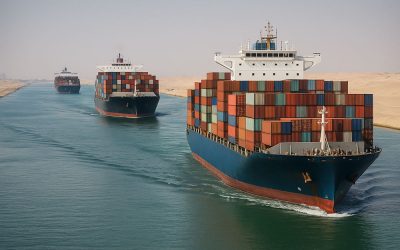
With attacks on commercial shipping continuing around Yemen, it might seem surprising that some of the world’s largest container carriers are beginning to increase their use of the Suez Canal.
The answer is largely commercial. Diverting Asia-Europe vessels around the Cape of Good Hope adds considerable distance, fuel consumption and operating cost. A return through the Red Sea allows carriers to shorten voyages, improve vessel utilisation and potentially restore more predictable transit times.
There are now clear signs of movement. Maersk has been gradually restoring Red Sea services, CMA CGM has increased its transits and MSC recently sent seven vessels through Bab el-Mandeb within two weeks as it tests the route.
Yet the security risk has certainly not disappeared.
A fatal Houthi attack on the Tihamah on 11 August was followed days later by another incident off Yemen in which an unmanned cargo vessel was hit by multiple projectiles and later declared a constructive total loss.
Some shipping is also becoming less visible. Reports suggest that a growing number of Saudi oil cargoes are moving through the Red Sea with Automatic Identification System tracking disabled, as operators attempt to reduce their exposure to attack.
This creates an unusual situation. Shipping lines are finding greater commercial reasons to return to Suez at precisely the same time that security concerns remain extremely serious.
For now, the return remains selective, cautious and potentially reversible. Carriers are weighing the savings offered by the shorter route against security assessments that can change from one voyage to the next.
The team at Unique are keeping a close eye on developments.